
Genius ways to reuse food scraps and leftovers in the kitchen


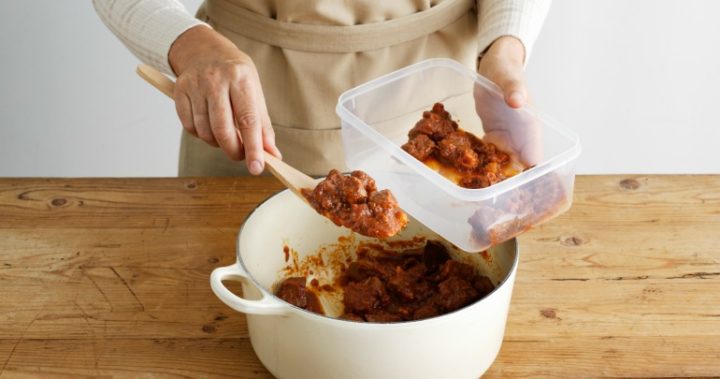
When you’re cooking on a budget, it’s always in your best interest to make sure you get the most out of everything you cook.
Reusing leftovers and food scraps not only makes incredibly tasty meals but is also good for the environment and the hip pocket. Households around the world throw away tonnes of perfectly edible food every week, whether it’s roasted veggies or shrivelling fruit, but meal staples can be repurposed for new, tasty dinners.
So rather than throwing out stale bread or spoiled veggies here are some fresh ideas to help you reuse meals more efficiently.
Fruits and vegetables
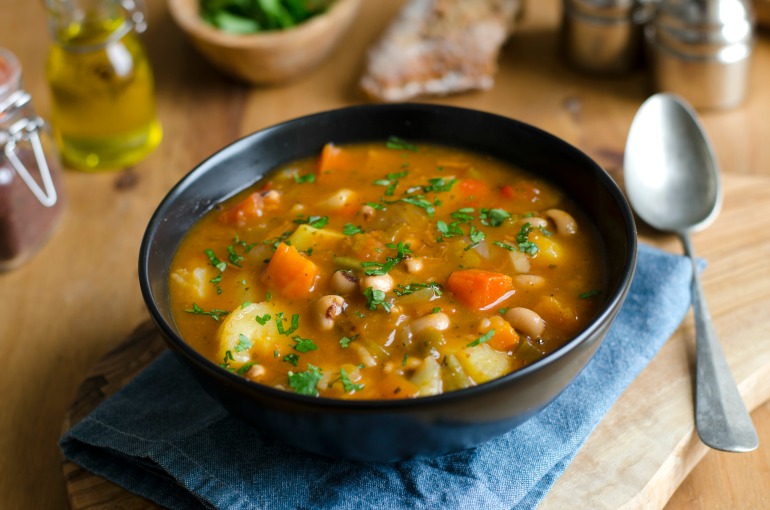
“If veg is looking a little sad or close to spoiling, freeze whole and add to blended soups,” Canberra-based nutritionist Laura Jean says. She also advises adding chopped or grated veggies to fritters, muffins and casseroles.
Preserves are a great way to make fruit and veggies last and were once a thrifty necessity for most families; many people no doubt remember their grandparents or parents ladling homemade jam into sterilised jars, or drying fruits in the kitchen. And it wasn’t just a cost-saver, it was smart! Fresh produce is filled with nutrients, as well as being a great way to keep family recipes alive.
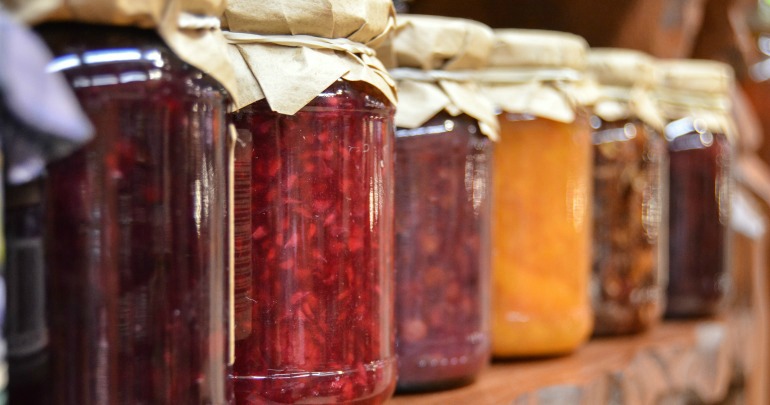
Read more: Bring back sweet memories of homemade preserves with old, and new, methods
Bread
Got a few bread slices on the stale side? Jean says to spread with garlic butter, put on a tray and pop in the oven to make garlic bread. “Or wrap in foil and stick it in the freezer to add to a future dinner that needs a little extra,” she advises.
Alternatively, stale bread can be turned into breadcrumbs or croutons, while flat breads and wraps can also be crisped up in the oven and used as crackers.
Meat and bones
Leftover meat and bones (plus your veggies scraps from above) are perfect for creating your own stock, which has a wide variety of uses, including gravy and soup bases. To make a simple stock, place all the food scraps in a slow cooker or pot with water, bring to a heavy boil and then simmer for eight hours.
Skin and fat scraps can also be used to punch up the flavour in dishes, Jean says, adding: “Last year I saved the skin from my Christmas ham and I use small amounts in stews, soups and homemade baked beans to add an awesome flavour punch.”
Eggs
There are plenty of recipes out there that call for only egg whites or egg yolks. If you’ve made an egg white omelette recently, you can use the leftover yolks to make béarnaise or hollandaise sauce or custard. Alternatively, egg whites can be used in pavlova, meringues and macaroons.
To plan ahead, eggs whites can be kept covered in the fridge for a few days, however, egg yolks don’t freeze too well and can dry out after a day in the fridge alone. The best way to store the egg yolks is by mixing them with water first, before putting them into a container in the fridge for a few days.





 Proudly Australian owned and operated
Comments 0
Join the conversation. Comments are reviewed before they appear.
Be the first to comment.
Join the conversation
Tell us who you are to post a comment. We'll remember you next time.