
Electrical stimulation found to improve sleep apnoea


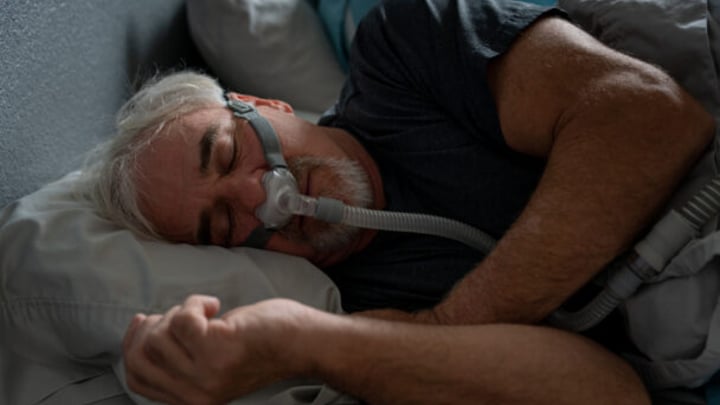
A new, less invasive electrical stimulation technique that can be performed in under 90 minutes has been shown to improve breathing in people with moderate-to-severe sleep apnoea, according to researchers at Flinders University.
The study found a minimally invasive surgical approach could improve outcomes for people with obstructive sleep apnoea (OSA) who are unable to tolerate continuous positive airway pressure (CPAP) therapy.
The technique, known as percutaneous hypoglossal nerve stimulation (HNS), was tested on 14 people with OSA who were placed under sedation during a procedure designed to replicate sleep apnoea breathing patterns.
Unlike traditional HNS methods that require incisions, the new approach uses ultrasound guidance to place temporary stimulating electrodes through the skin. These electrodes activate the tongue muscle to help keep the airway open during sleep.
Lead author and FHMRI Sleep Health Researcher, Dr Amal Osman, said the results were encouraging.
“We saw significant improvements in breathing in 93% of participants, with airflow increases comparable to CPAP therapy, even when the upper airway was completely closed,” Dr Osman said.
“This approach may reduce recovery time and costs, while improving success rates for people who cannot tolerate conventional treatments.”
The findings add to growing global interest in neurostimulation as an alternative to device-based therapies for sleep apnoea.
Professor Simon Carney, an ear, nose and throat surgeon at Flinders Private Hospital and co-author of the study, described the technique as safe and efficient.
“It’s a 90-minute procedure performed under ultrasound guidance with minimal discomfort,” says Professor Carney.
“Importantly, we were able to open airways in patients previously considered unsuitable for HNS.”
Professor Eng Ooi, Head of Otolaryngology at Flinders Medical Centre, said the research could help expand treatment options for people living with the condition.
“We believe this could become a viable option for patients seeking alternatives to CPAP,” says Professor Ooi.
Researchers are now working to refine the technique for longer-term use, including potential outpatient procedures and integration with wearable technologies. The team also plans to identify which patients are most likely to benefit, based on individual airway anatomy and sleep patterns.
Senior author Professor Danny Eckert said the study highlighted the potential for innovation in sleep medicine.
“Our goal is to give patients more choices and better outcomes,” Professor Eckert says.
“This study shows that with innovation and the right tools, sleep apnoea treatment can become more accessible, comfortable, personalised and effective.”
IMPORTANT LEGAL INFO This article is of a general nature and FYI only, because it doesn’t take into account your personal health requirements or existing medical conditions. That means it’s not personalised health advice and shouldn’t be relied upon as if it is. Before making a health-related decision, you should work out if the info is appropriate for your situation and get professional medical advice.





 Proudly Australian owned and operated
Comments 0
Join the conversation. Comments are reviewed before they appear.
Be the first to comment.
Join the conversation
Tell us who you are to post a comment. We'll remember you next time.